

How Does Importing Inflatables from China to the U.S. Actually Work?

If you’re running an inflatable rental business in the U.S., importing directly from China is usually the point where your operation starts to scale — but it’s also where most people get stuck.
The pricing is better, the designs are more flexible, and a large portion of commercial inflatables in the market already come from there anyway.
But for most first-time buyers, the process feels like a “black box.” Shipping, customs, and documentation can seem overwhelming at first.
Importing inflatables from China to the U.S. involves choosing the right supplier, confirming specifications, managing production, and handling shipping and customs.
In reality, once you understand how each step connects, the process is far more straightforward than it looks.
1. It Starts With the Supplier — Not the Shipping
Most people focus on freight first, but the outcome of your order is decided much earlier.
In the U.S., safety and insurance requirements matter more than anything else. Before discussing colors or designs, you should confirm two non-negotiables:
- ASTM F2374 compliance — whether the manufacturer builds according to U.S. design and anchoring standards
- NFPA 701 fire certification — whether the PVC material is properly flame-retardant
These aren’t just technical details — they directly affect whether your equipment can be insured or used at schools and public events.
Choosing a supplier who understands U.S. safety standards is critical.
2. Lock in the Details Before Production
Once you’ve selected a supplier, you’ll typically receive a drawing or 3D mockup.
This is the stage where attention to detail matters most.
You should confirm:
- Dimensions and layout
- Entry and exit structure
- Branding and logo placement
- Blower specifications
- Included accessories
Pro tip: Ask for a manufacturer’s plate on each unit showing the production date, serial number, and capacity rating. This is often required for inspections in certain states.
3. Production & Lead Times
Production itself is usually predictable compared to logistics.
Typical timelines:
- Standard units: 15–20 days
- Custom designs: 25+ days
During peak seasons, delays are more likely due to factory scheduling, so it’s always smart to build in an extra buffer week.
If you’re planning for summer rentals, placing orders early in the year is a common strategy.
4. Shipping: FOB, CIF, or DDP?
This is where most confusion happens.
Shipping terms (Incoterms) determine who is responsible for each part of the process:
- FOB / CIF: You handle customs clearance and arrange final delivery after the goods arrive at the U.S. port
- DDP (Delivered Duty Paid): The supplier manages shipping, customs clearance, duties, and final delivery
For most first-time buyers, DDP is the simplest option because it reduces the number of steps you need to manage.
5. The “Hidden” Step: Customs & ISF
If you are not using DDP, you’ll need to deal directly with U.S. Customs and Border Protection (CBP).
One detail many first-time importers miss:
- ISF (Importer Security Filing) must be submitted at least 24 hours before the shipment leaves China
- Missing this requirement can result in significant penalties
You don’t need a special import license — your business EIN (Tax ID) is typically sufficient for customs clearance.
Working with a customs broker makes this process much easier.
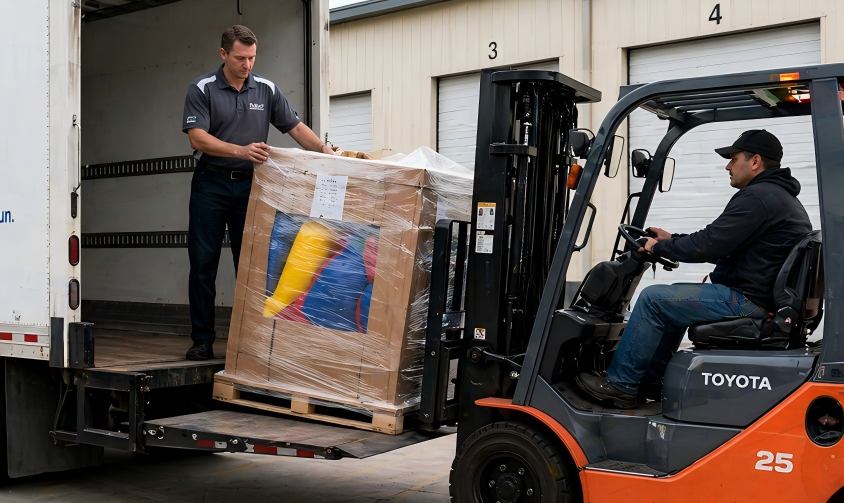
6. The “Final Mile” and the Liftgate Factor
This is a practical detail that often gets overlooked.
Commercial inflatables are heavy, often ranging from 400 lbs to over 1,000 lbs.
That means:
- If you don’t have a forklift or loading dock, you’ll need a truck with a liftgate
- If you operate from a residential location, access for large trucks may be limited
It’s important to confirm delivery conditions in advance to avoid delays or extra fees.
7. What Happens When the Shipment Arrives?
Once your shipment arrives, the process becomes simple again.
You should:
- Inspect the packaging for damage
- Inflate and test each unit
- Check seams, zippers, and blowers
- Confirm all accessories are included
It’s also a good idea to keep your documentation organized, especially anything related to safety standards and materials.
The Bottom Line
Importing inflatables from China to the U.S. isn’t complicated — it just involves several connected steps.
Once you understand supplier selection, production timelines, and shipping terms, the process becomes predictable.
Most operators find that after their first order, everything becomes significantly easier to manage.
The key is not just understanding the process, but working with a supplier who already understands U.S. safety standards, documentation requirements, and delivery expectations — so you can focus on running your business instead of managing logistics.