What Do Operators in California Need to Know About Compliance?

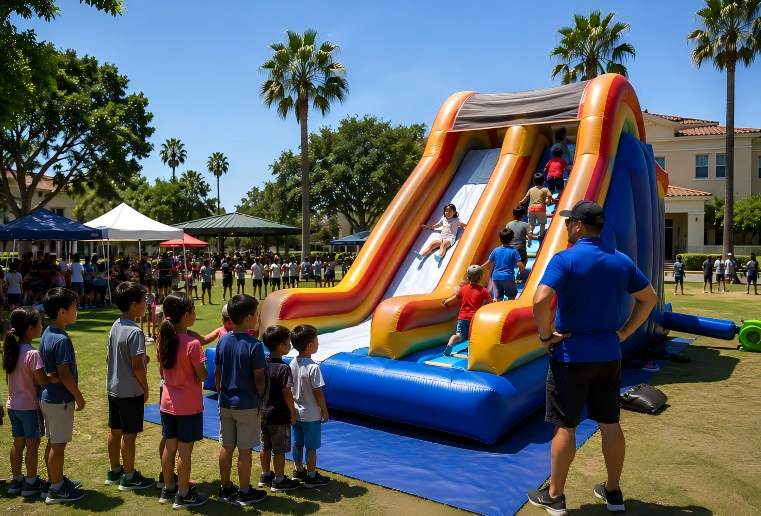
California is one of the largest inflatable rental markets in the United States.
From school carnivals and church events to city festivals and backyard parties, commercial inflatables are used across the state every weekend.
But California is also one of the strictest states when it comes to safety expectations, insurance requirements, and operational compliance.
For new inflatable rental businesses especially, understanding these requirements early can help avoid unnecessary problems later.
Many operators are surprised to learn that compliance in California is not only about owning inflatables. It also involves setup procedures, documentation, inspections, insurance, and safe operation practices.
ASTM Standards Are Commonly Referenced
One of the most commonly discussed standards in the inflatable industry is ASTM F2374.
This standard focuses on the safe operation, maintenance, and inspection of inflatable amusement devices.
Many California event organizers, schools, and parks may ask operators questions related to:
- Anchoring
- Wind safety
- Occupancy limits
- Operator supervision
- Inspection procedures
- Safety labeling
Even when not legally required for every event, understanding ASTM-related safety expectations helps operators appear more professional and prepared.
Insurance Is Often Required for Public Events
In California, many public events and venues require liability insurance before allowing inflatable operation.
This commonly applies to:
- School events
- Park rentals
- Church festivals
- Community fairs
- City-sponsored events
Insurance requirements vary depending on the location and event type, but many venues request:
- General liability coverage
- Additional insured certificates
- Proof of coverage limits
- Business information
Some parks and municipalities may refuse inflatable operation entirely without proper documentation.
Wind Safety Is Taken Seriously
California operators, especially in coastal or open areas, need to pay close attention to wind conditions.
Unexpected wind gusts are one of the biggest safety concerns in the inflatable industry.
Many professional operators monitor:
- Local weather forecasts
- Wind advisory warnings
- Surface conditions
- Anchor stability
Commercial inflatables are typically designed with reinforced anchor points and heavy-duty D-rings to improve stability during outdoor operation.
However, even properly anchored inflatables should not be used in unsafe weather conditions.
Operators should always follow manufacturer safety guidance regarding maximum wind limits.
Proper Anchoring Matters More Than Many Beginners Realize
One of the most common compliance problems involves improper anchoring.
California inspectors and event organizers often pay attention to:
- Stake depth
- Anchor quantity
- Sandbag usage
- Surface compatibility
- Anchor positioning
Different surfaces may require different anchoring methods.
For example:
- Grass fields
- Concrete surfaces
- Artificial turf
- Asphalt parking lots
Professional operators usually carry multiple anchoring solutions depending on the venue.
Schools and Parks Often Have Additional Rules
Many California schools and park districts have their own inflatable requirements beyond basic insurance.
These may include:
- Setup distance rules
- Generator placement restrictions
- Supervision requirements
- Equipment inspection records
- Fire lane access rules
- Overnight storage limitations
Some locations may also require:
- Vendor registration
- Permit applications
- Scheduled inspection approvals
For larger inflatable slides or obstacle-style attractions, some operators may also encounter Cal/OSHA inspection or Permit to Operate requirements depending on the equipment type and event setup.
Operators who regularly work with schools and public venues usually become more familiar with these procedures over time.
Flame-Retardant Materials Are Commonly Requested
Many commercial inflatables used in California are manufactured using flame-retardant PVC materials.
Some venues or event organizers may ask about:
- Material certifications
- Flame-retardant standards
- Safety labeling
- Manufacturing specifications
Commercial-grade 0.55mm PVC materials are commonly used for repeated rental operation because of their durability and resistance to outdoor wear.
In hot California conditions, UV exposure can also affect long-term inflatable durability, especially for operators using equipment frequently throughout the year.
Some California event organizers and fire inspectors may also ask whether inflatable materials meet California State Fire Marshal Title 19 flame-retardant requirements, especially for public events and indoor operation.
Inspection Records Help Build Trust
Professional inflatable operators often maintain inspection and maintenance records for their equipment.
These records may include:
- Cleaning schedules
- Repair history
- Inspection dates
- Blower testing
- Anchor inspections
Some operators also perform routine inflation testing before busy weekends to check:
- Air retention
- Structural stability
- Overall condition
Keeping organized records can help operators appear more professional when working with schools, parks, and larger events.
Operator Supervision Is Extremely Important
Many compliance problems are not caused by the inflatable itself, but by improper supervision during operation.
Common operational issues include:
- Mixing age groups
- Overloading inflatables
- Unsafe climbing behavior
- Improper slide usage
- Poor crowd control
Professional operators often assign attendants to monitor:
- Entrance areas
- Slide exits
- Occupancy levels
- Weather changes
Good supervision is one of the most important parts of safe inflatable operation.
Clean Equipment and Professional Presentation Matter
In competitive California markets, presentation also affects customer trust.
Many successful operators pay close attention to:
- Clean vinyl surfaces
- Organized setup
- Professional trailers
- Staff appearance
- On-time delivery
For schools and public events especially, professionalism often matters just as much as pricing.
Material Safety Expectations Continue to Increase
Some California buyers also pay attention to material safety expectations related to Proposition 65, especially for products used by children.
Many commercial operators prefer PVC materials manufactured without restricted lead or phthalate substances for additional peace of mind.
As material safety awareness continues to increase, operators who understand these concerns often appear more professional and better prepared when working with schools, parks, and family-oriented events.
Compliance Is Easier When Equipment Is Built for Commercial Use
One mistake some beginners make is purchasing low-grade residential inflatables for commercial rental operation.
Commercial inflatable equipment is usually built differently, including:
- Reinforced stitching
- Heavy-duty PVC materials
- Stronger anchor systems
- Commercial blowers
- Better stress-point reinforcement
Using commercial-grade inflatables can make long-term operation, inspections, and maintenance much easier.
Final Thoughts
Compliance is a major part of operating an inflatable rental business in California.
For many operators, success depends not only on having good inflatables, but also on understanding:
- Safety expectations
- Insurance requirements
- Wind precautions
- Anchoring procedures
- Venue rules
- Professional operation standards
California can be an excellent market for commercial inflatables, but operators who focus on safety, organization, and professionalism usually perform better over the long term than businesses focused only on short-term bookings.