

How Does Pricing Differ Between Suburbs and Cities in Chicago?

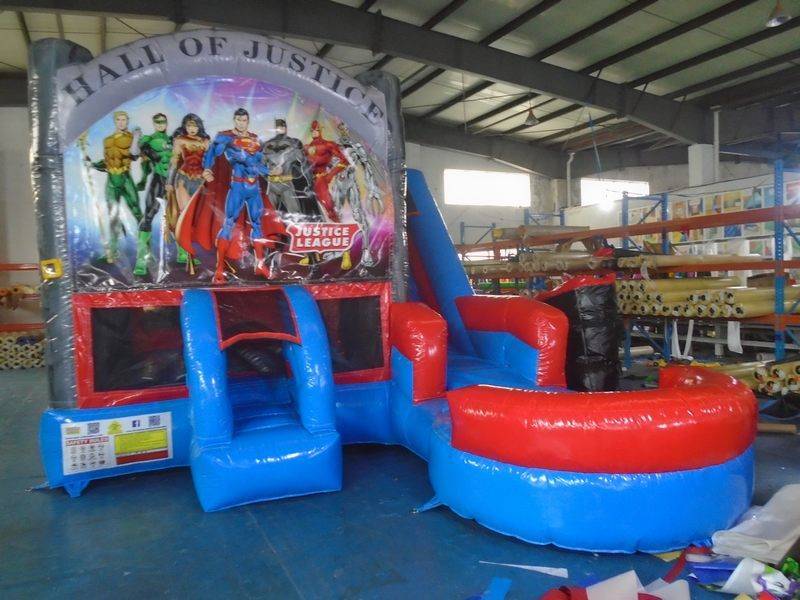
If you’re running an inflatable rental business in Chicago, you’ve likely realized by now that pricing isn’t just a number on a website—it’s a reflection of the logistics behind a specific ZIP code.
Two customers might rent the exact same bounce house on the same Saturday, but the profit and effort behind each job can look completely different depending on whether you’re navigating the tight streets of Wicker Park or the wide driveways of Naperville.
In today’s Chicago market, this is how pricing actually breaks down across the Chicagoland area.
The City Premium: Higher Price, Higher Friction
In downtown Chicago or dense neighborhoods like Lincoln Park and Logan Square, successful operators often charge a noticeable premium. A standard bouncer that rents for around $225 in the suburbs can reach $350 or more in the city.
But this isn’t easy money. City pricing is driven by complexity. You’re not just renting equipment—you’re charging for everything that comes with the setup.
The Power Factor
Many city parks and smaller backyards don’t have reliable power. This often requires a generator, adding $75 to $125 to the total invoice.
Access Challenges
Parking a truck or trailer in areas like the Loop is often the biggest challenge. When you factor in elevators, narrow walkways, or long carrying distances, adding a “difficult access” fee—typically $50 or more—becomes necessary just to protect your margins.
Permit Requirements
For events held on Chicago Park District property, permits and insurance requirements must be included. These costs—often around $45 or higher—should be built into your pricing structure from the start.
The Suburban Model: Lower Price, Higher Volume
Now compare that with suburbs like Schaumburg, Aurora, or Orland Park.
Here, the base price is usually lower—around $200 to $250—but the operating model is completely different.
This is where efficient operators make their real profit.
The Driveway Advantage
Being able to park directly next to the setup area makes a huge difference. A setup that can take 45 minutes in the city often takes 15 minutes in a suburban driveway.
The Multi-Unit Opportunity
Larger yards create more room to upsell. It’s common for suburban bookings to expand into packages, including slides, tents, tables, and chairs. A single stop can quickly turn into a $600 to $800 invoice without adding much extra travel time.
The Hidden Profit Factor: Time vs. Distance
The biggest difference between city and suburban pricing isn’t always visible on the invoice—it’s time.
In Chicago traffic, a 10-mile delivery into the city can easily take an hour. The same distance in the suburbs may take 15 minutes.
City Reality
One booking can take up a large part of your day due to traffic, parking, and setup complexity.
Suburban Efficiency
By focusing on route density, operators can complete multiple bookings in the same neighborhood. This significantly reduces labor time, fuel costs, and overall effort per job.
Even at a lower price point, suburban jobs often generate higher profit per hour.
A Smarter Approach: Turning Location Into Strategy
The most successful Chicago operators don’t just adjust pricing—they adjust how they schedule their work.
One approach that’s becoming more common is encouraging multiple bookings within the same street or neighborhood. Offering a small discount for nearby customers can turn a low-efficiency delivery into a high-density route.
This allows operators to maintain strong pricing while dramatically improving efficiency.
Final Thought
In Chicago, pricing isn’t just about what you charge—it’s about how your time is spent.
If you focus only on charging more, you may end up spending your day stuck in traffic with fewer completed jobs. But if you understand how location affects labor, access, and route planning, you start pricing like a professional.
The goal isn’t to have the highest price in Chicago.
It’s to run the most efficient operation in Chicagoland.