

How Does Liability Work for Inflatable Businesses in California?

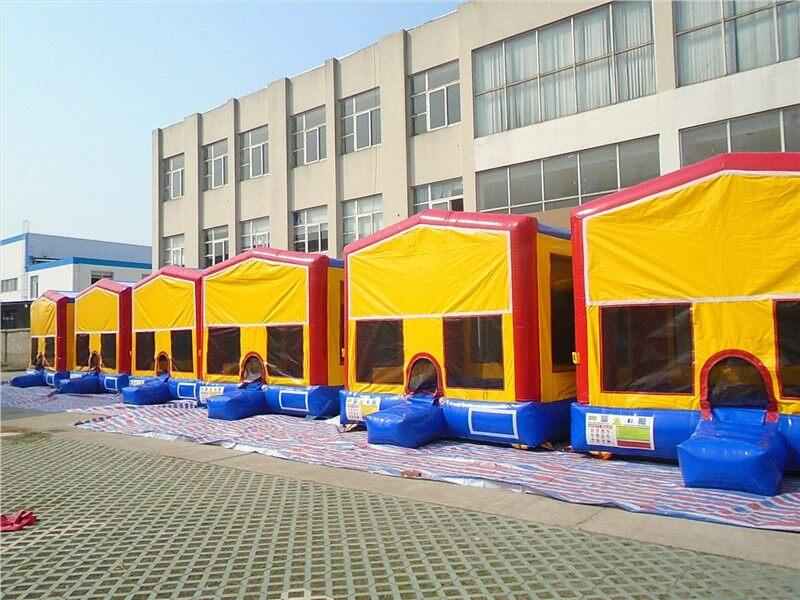
If you run an inflatable rental business in California, liability is not something you can treat casually.
Most operators think in simple terms:
“If something goes wrong, my insurance will handle it.”
In reality, it’s more layered than that. Liability depends on how the incident happened, how well you followed safety practices, and whether you can prove you did things correctly.
When something goes wrong, who’s responsible?
That’s always the first question.
In most cases, responsibility lands on the rental company first.
If a child gets injured, people will look at:
- Was the unit properly installed?
- Was it anchored correctly?
- Were safety rules followed?
- Was the equipment in good condition?
If any of those answers are unclear, defending a claim becomes much harder.
Insurance is your first line of protection
In California, general liability insurance isn’t optional. It’s what protects you against:
- Bodily injury claims
- Property damage
- Legal defense costs
Many venues won’t even work with you without it. Schools, public venues, and event organizers typically ask for:
- Around $1 million in liability coverage
- A Certificate of Insurance (COI)
- Being listed as an additional insured
Without these, higher-value jobs are simply off the table.
Waivers help—but they don’t save you
Most operators use waivers, and they do have value.
But in California, they have limits.
If an incident is tied to:
- Poor setup
- Negligence
- Faulty or unsafe equipment
A waiver may not hold up.
In other words, a waiver might support your case—but it won’t fix a bad setup.
Liability often comes down to proof
This is where things get very real.
It’s not just about what you did—it’s about what you can prove you did.
If you can show:
- The unit was inspected
- Anchors were properly installed
- Safety rules were explained
- The equipment met expected standards
You’re in a much stronger position.
In California, proof usually means digital records. Many experienced operators now take time-stamped photos of every anchor point and the safety label before leaving a job. It takes a few extra minutes, but it creates a clear record that the setup was done correctly.
If you don’t have that, it often turns into your word against someone else’s.
Employees add another layer of risk
If you have a crew, your exposure increases.
You may need:
- Workers’ compensation insurance
- Commercial auto insurance
- Equipment coverage
Because if something goes wrong during delivery, setup, or teardown, liability doesn’t just stop at the equipment.
Safety standards still matter
Standards like ASTM F2374 don’t directly decide liability—but they influence how your actions are judged.
If your setup clearly follows recognized safety practices, it helps show that you acted responsibly.
If it doesn’t, it becomes much easier for someone to argue the incident could have been avoided.
In places like Riverside or the Inland Empire, this becomes even more important. Santa Ana winds can pick up quickly, and conditions can change faster than people expect. In those situations, liability often comes down to whether you were actively monitoring conditions and following the manufacturer’s guidance on wind limits.
The bottom line
Liability in California isn’t about one single factor.
It’s a combination of:
- Insurance
- How you operate
- What records you keep
- And whether you can show you followed reasonable safety practices
Insurance helps pay the claim.
But your setup and your documentation determine how exposed you are in the first place.
One practical takeaway
Treat every setup like it might be reviewed later.
Because in California, if something goes wrong, it probably will be.