

What Documents Are Needed When Importing Commercial Inflatables into the US?

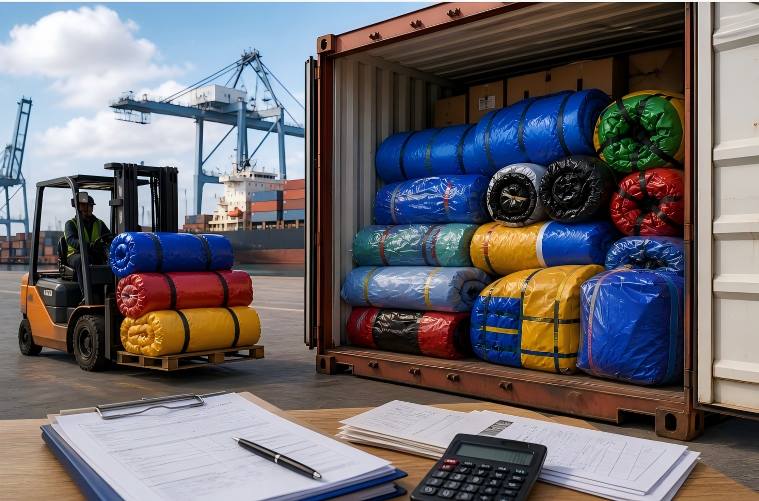
Importing commercial inflatables into the United States is a normal part of the business for many inflatable rental companies, event suppliers, schools, parks, and entertainment centers.
Products such as bounce houses, inflatable water slides, obstacle courses, inflatable games, and inflatable parks are imported into the US every year from overseas manufacturers.
For many first-time buyers, the importing process may seem complicated. In reality, once the correct documents are prepared, the process is usually straightforward.
This guide explains the most common documents needed when importing commercial inflatables into the United States.
1. Commercial Invoice
The Commercial Invoice is one of the most important documents for US customs clearance.
US Customs and Border Protection (CBP) uses this document to determine:
- Product value
- Import duties
- Country of origin
- Product description
- Buyer and seller information
A proper commercial invoice for inflatables should normally include:
- Product name
- Model number
- Quantity
- Unit price
- Total value
- Material description
- Shipping terms
- Manufacturer information
For example:
- Commercial Inflatable Water Slide
- Inflatable Obstacle Course
- PVC Tarpaulin Inflatable
- Made in China
The invoice information should match the packing list and shipping documents exactly.
2. Packing List
The Packing List shows how the inflatable products are packed for shipment.
This document is used by:
- Customs brokers
- Freight forwarders
- Shipping companies
- Customs inspectors
A packing list normally includes:
- Number of packages
- Product dimensions
- Gross weight
- Net weight
- Carton or package size
- Container details
For large inflatable shipments or container orders, this document helps customs inspectors quickly identify the cargo during inspections.
3. Bill of Lading (B/L)
The Bill of Lading is issued by the shipping company or freight carrier.
This document serves as:
- Proof of shipment
- Transportation agreement
- Cargo ownership document
The Bill of Lading usually contains:
- Shipper information
- Consignee information
- Port of loading
- Destination port
- Container number
- Cargo description
For sea freight shipments, buyers may receive:
- Original Bill of Lading
- Telex Release
- Sea Waybill
Without this document, the cargo usually cannot be released from the port.
4. ISF Filing (Importer Security Filing)
For ocean freight shipments entering the United States, ISF filing is mandatory.
It is also known as:
“10+2 Filing”
The ISF must normally be submitted before the cargo is loaded onto the vessel overseas.
Many first-time US buyers are unaware that late ISF filing can result in customs penalties, shipment delays, or additional port charges.
The importer or customs broker usually submits the ISF using information such as:
- Seller information
- Buyer information
- Manufacturer information
- Product description
- HTS code
- Container stuffing location
Most inflatable importers allow their customs broker or freight forwarder to handle this process.
5. Arrival Notice
Before the shipment arrives in the US, the shipping company or freight forwarder normally sends an Arrival Notice.
This document informs the importer about:
- Vessel arrival date
- Container availability
- Local destination charges
- Cargo pickup instructions
The customs broker uses this information to arrange customs clearance and final delivery.
6. HTS Code (HS Code)
Every inflatable product imported into the United States requires a proper HTS classification code.
The HTS code affects:
- Import duty rates
- Customs classification
- Inspection requirements
Commercial inflatables are commonly classified under HTS Code 9506.99, although the exact classification may vary depending on the product type and intended use.
Examples may include:
- Inflatable amusement equipment
- Inflatable sports games
- Inflatable water park products
Your customs broker or supplier normally helps confirm the correct HTS code before shipment.
7. Customs Bond
A Customs Bond is commonly required for commercial imports into the United States.
This bond guarantees payment of:
- Import duties
- Taxes
- Customs fees
There are usually two types:
- Single Entry Bond
- Continuous Bond
Most first-time inflatable importers use a Single Entry Bond.
Companies importing regularly often choose a Continuous Bond for convenience.
8. Safety Compliance Documents
Commercial inflatable buyers in the US often request safety-related documentation, especially for rental or public use.
Common documents may include:
- ASTM-related manufacturing statements
- Flame-retardant material reports
- Product testing reports
- Safety labels
- Operating manuals
- Anchor point diagrams
Many inflatable rental companies and event operators also request information related to:
- ASTM F2374
- NFPA 701 flame-retardant materials
- Wind safety guidance
- Occupancy limits
Commercial inflatables are typically manufactured using commercial-grade PVC tarpaulin with flame-retardant properties designed for repeated rental and event use.
Most commercial inflatable manufacturers use heavy-duty 0.55mm PVC materials rather than lightweight residential-grade fabrics commonly found in retail inflatable products.
9. Certificate of Origin
Some shipments may require a Certificate of Origin.
This document confirms where the inflatable products were manufactured.
It may be requested by:
- Customs authorities
- Freight forwarders
- Customs brokers
- Buyers
The certificate is usually issued by the exporter or local trade authority.
10. Product Manuals and Warning Labels
Professional inflatable shipments to the US should normally include:
- User manuals
- Setup instructions
- Safety rules
- Wind warnings
- Anchor requirements
- Maximum occupancy guidance
- Weight limitations
This is especially important for:
- Inflatable rental businesses
- Schools
- Event companies
- Parks
- Public operation
Proper manuals and warning labels can also help operators meet local insurance or inspection requirements.
How Are Commercial Inflatables Usually Shipped to the US?
Sea freight is the most common shipping method for commercial inflatables imported into the United States.
Buyers usually choose between:
- LCL shipping (Less than Container Load)
- Full container shipping
Smaller inflatable orders are often shipped by LCL, while larger orders for rental businesses or parks are commonly shipped in full containers.
Typical destination ports include:
- Los Angeles
- Houston
- Miami
- New York
Many buyers also arrange door-to-door delivery through a freight forwarder or customs broker.
Who Imports Commercial Inflatables?
Typical inflatable import buyers in the United States include:
- Inflatable rental companies
- Event businesses
- Schools and churches
- Indoor playgrounds
- Family entertainment centers
- Water park operators
Many businesses import directly from experienced manufacturers to reduce costs and customize products for their local market.
Do You Need a Customs Broker?
In most cases, yes.
A licensed customs broker can help with:
- Customs clearance
- ISF filing
- Duty payment
- Port procedures
- Final delivery arrangements
Most US inflatable importers work with a customs broker to simplify the importing process and reduce the risk of delays.
Final Thoughts
For many US inflatable businesses, importing directly from an experienced manufacturer is now a normal part of the industry.
As long as the correct documents are prepared in advance and the shipment is handled properly, the importing process is usually much simpler than first-time buyers expect.
The most common documents typically include:
- Commercial Invoice
- Packing List
- Bill of Lading
- ISF Filing
- HTS Code
- Customs Bond
- Safety Compliance Documents
- Product Manuals
Working with an experienced supplier and customs broker can help ensure a smoother importing process and reduce the risk of delays during customs clearance.